

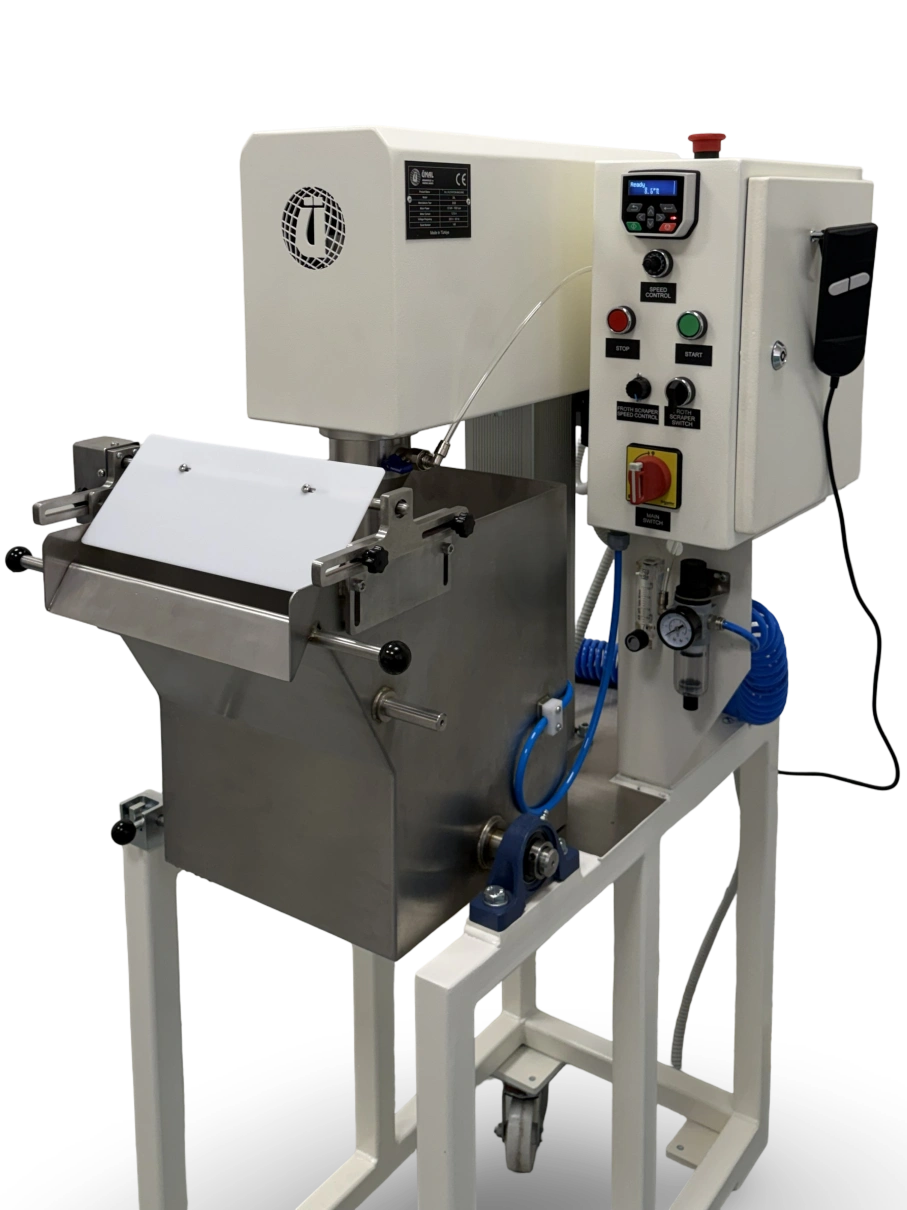
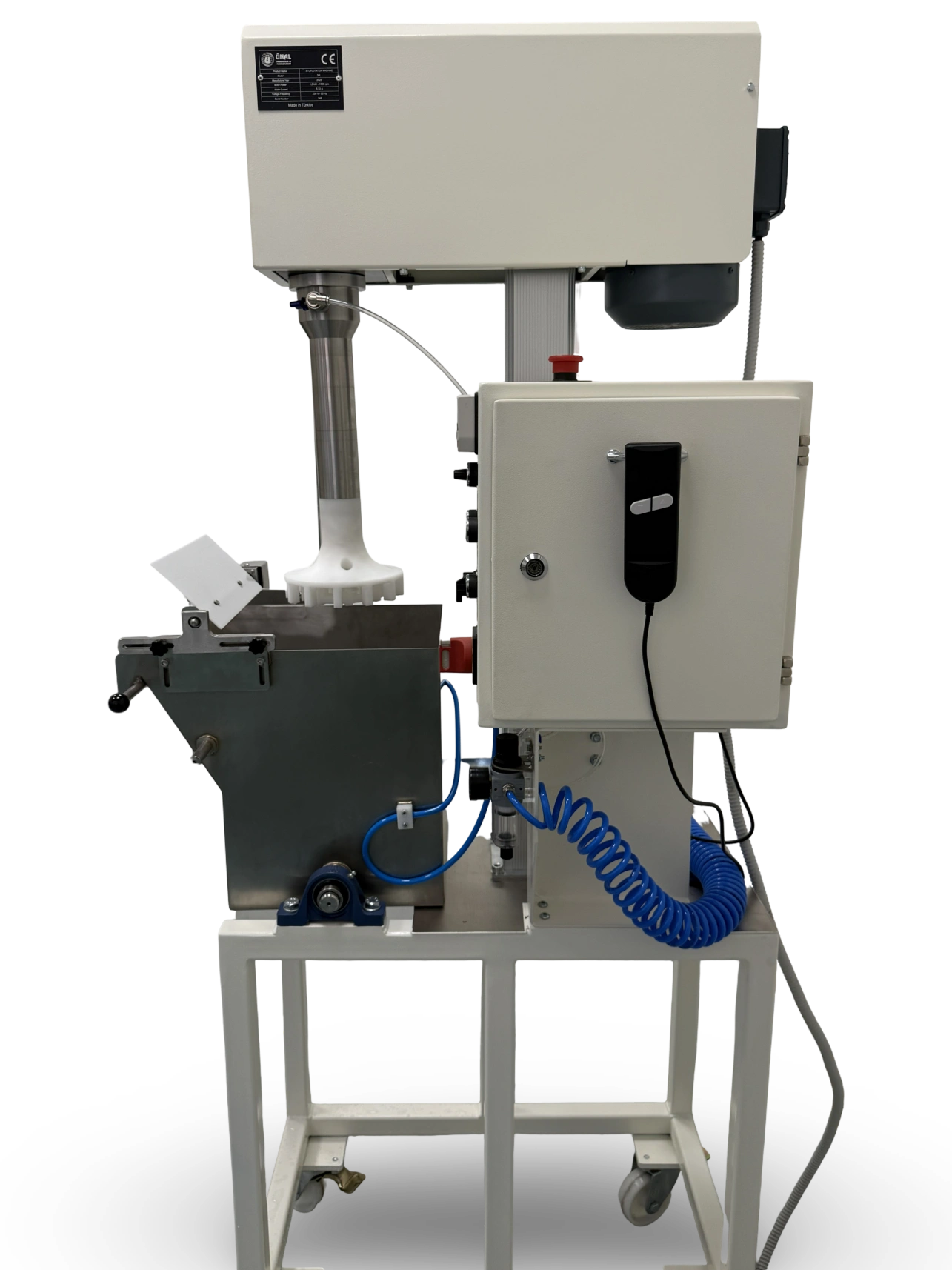
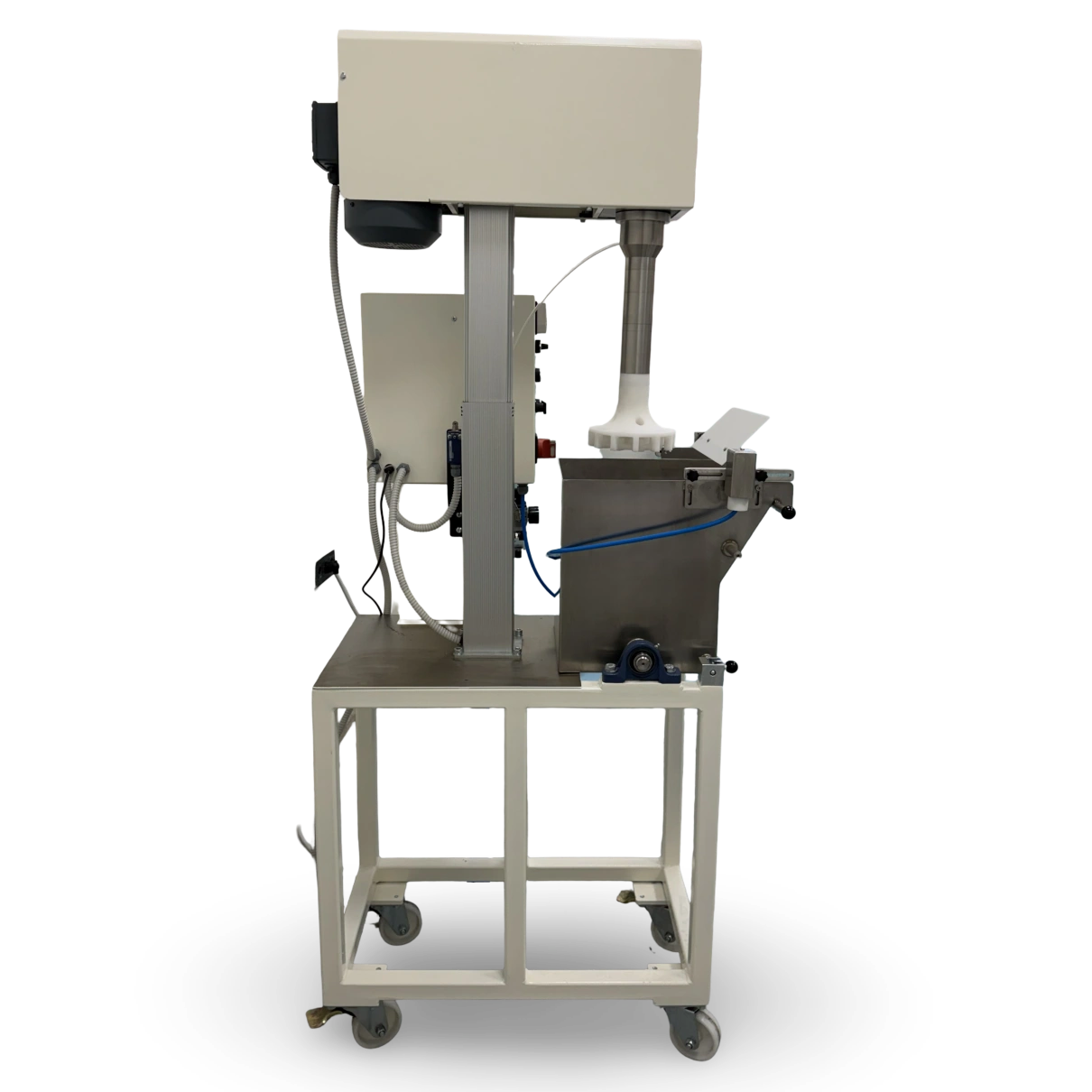
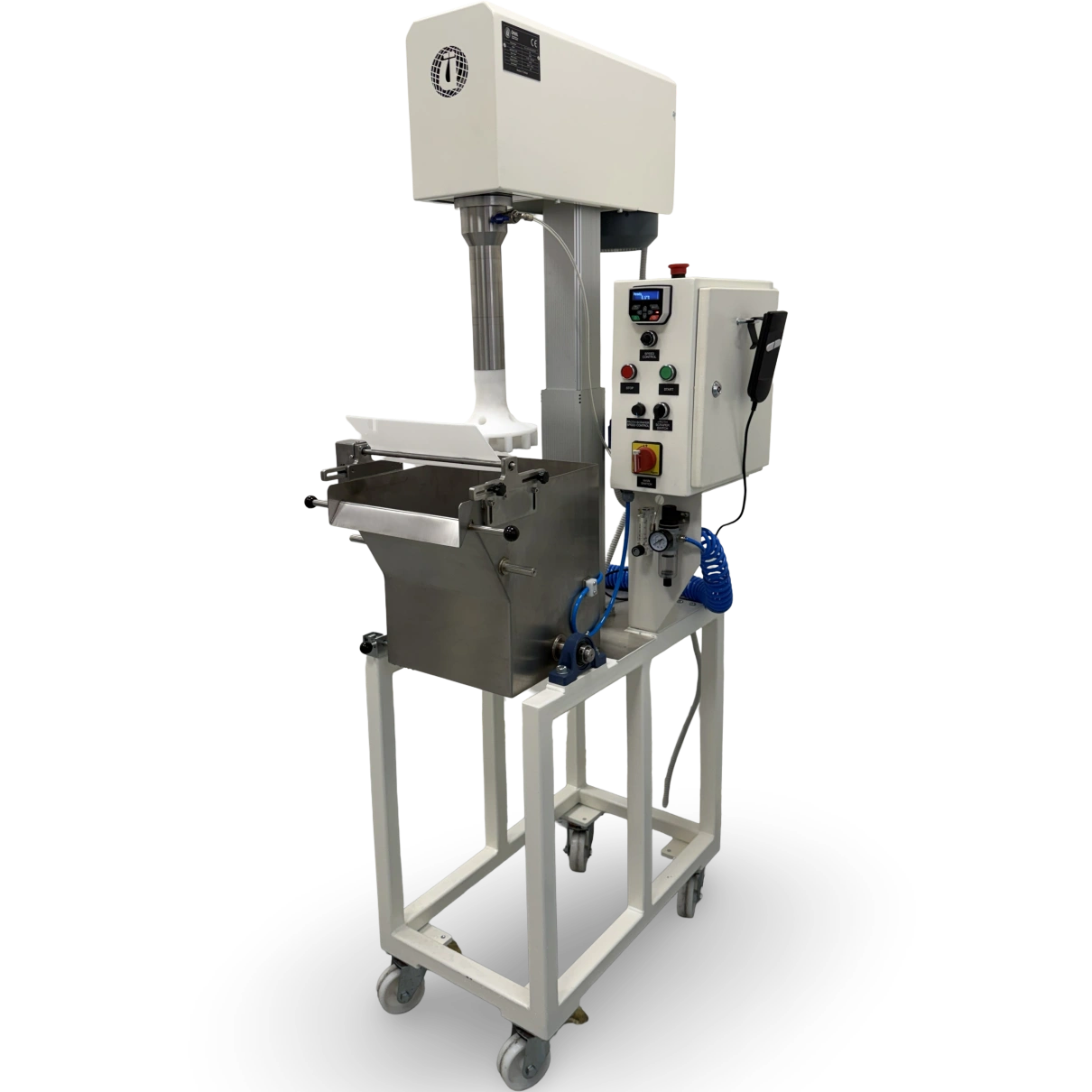
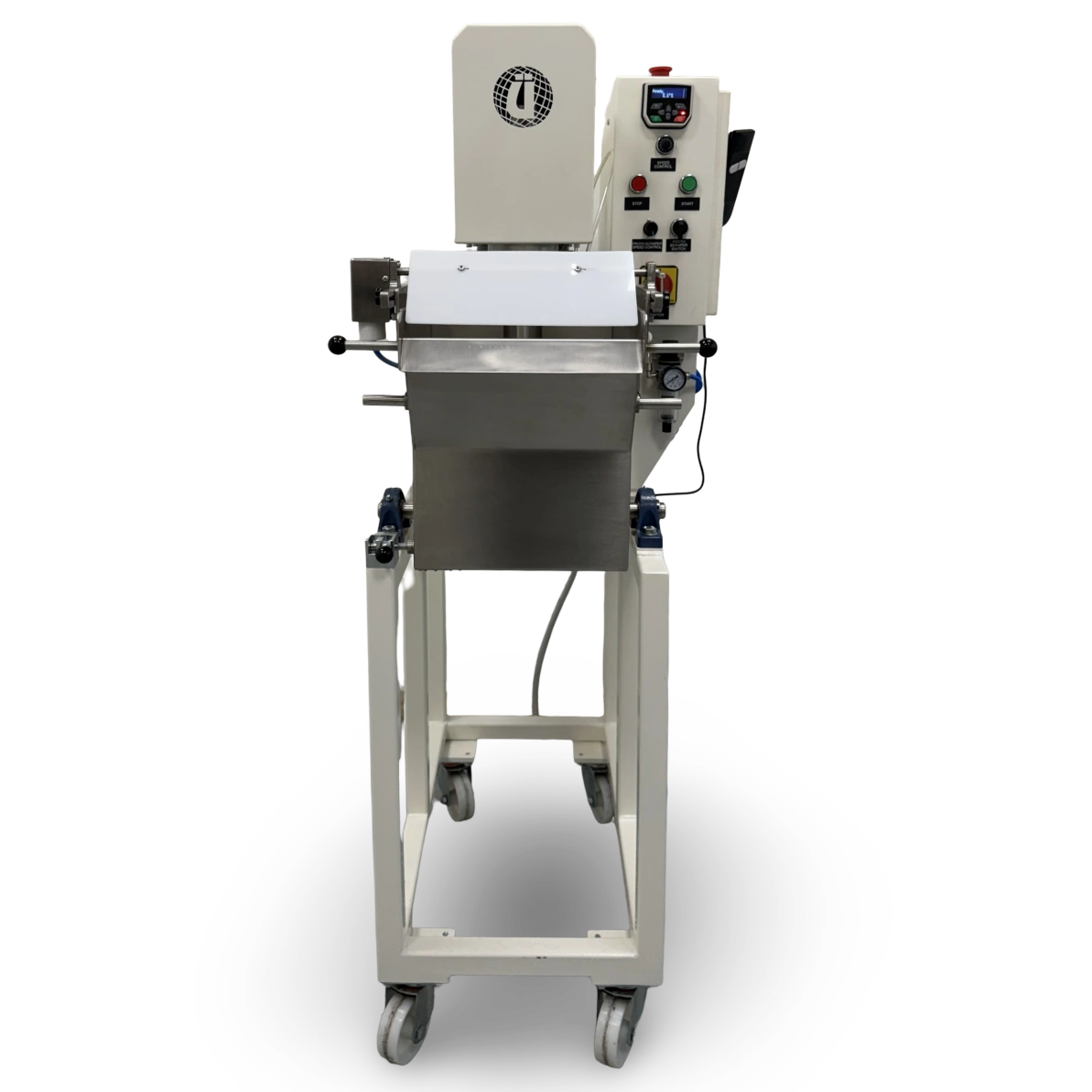
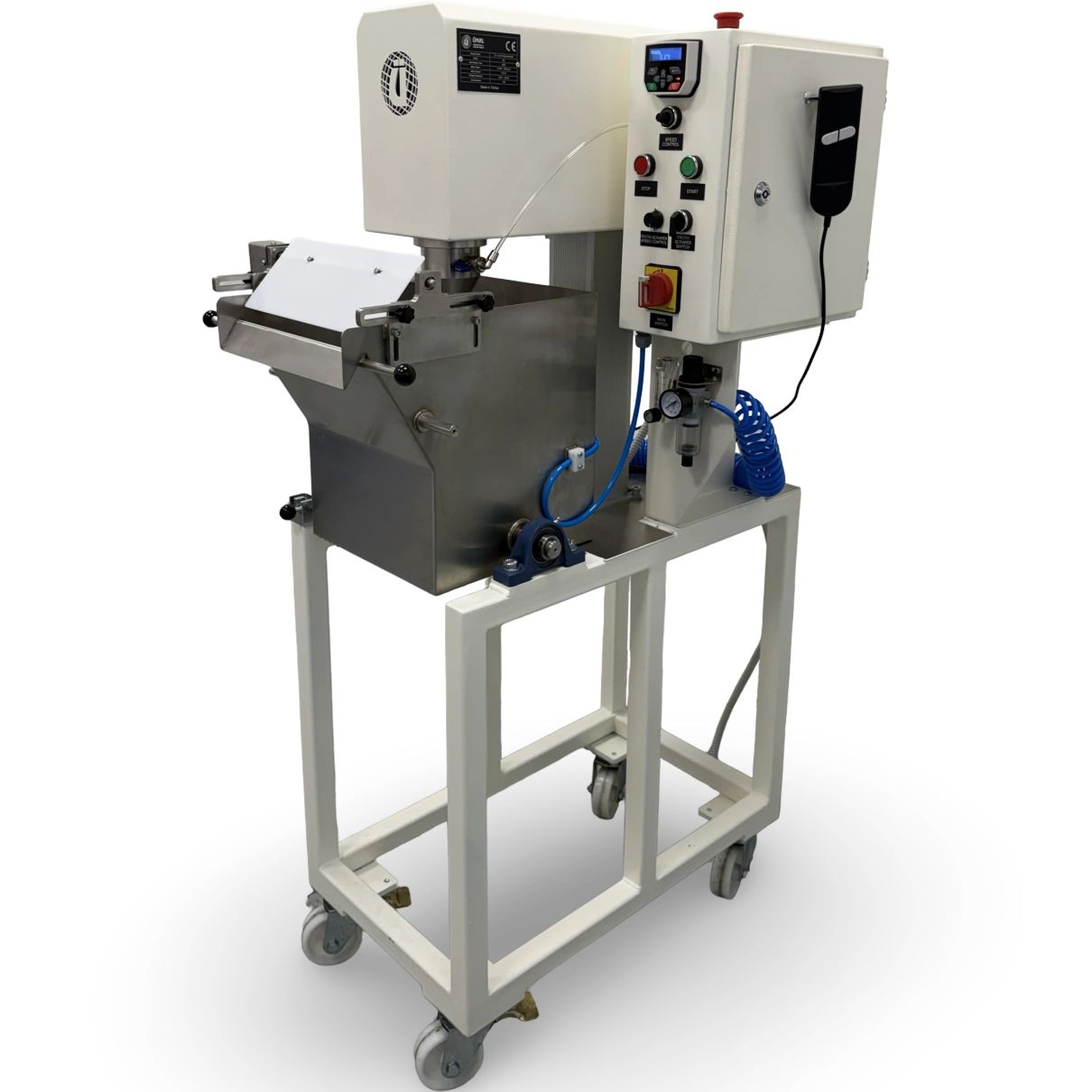
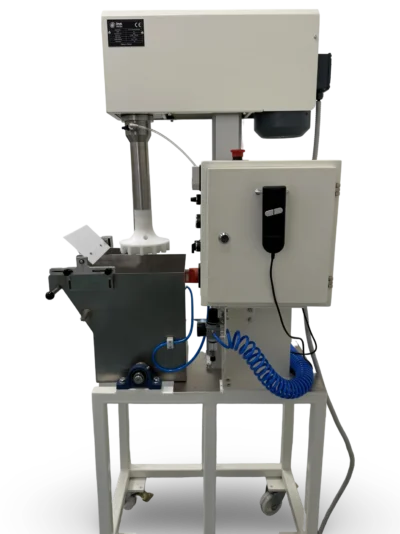
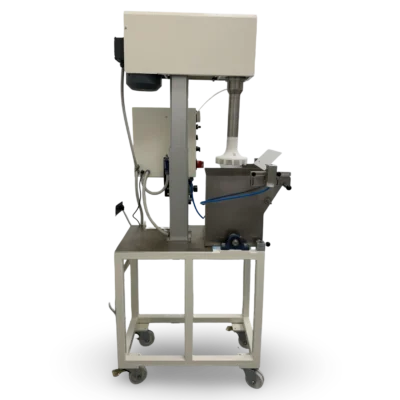
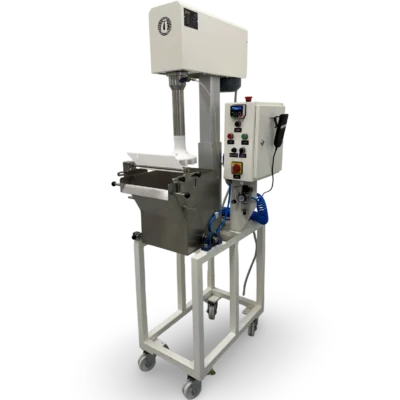
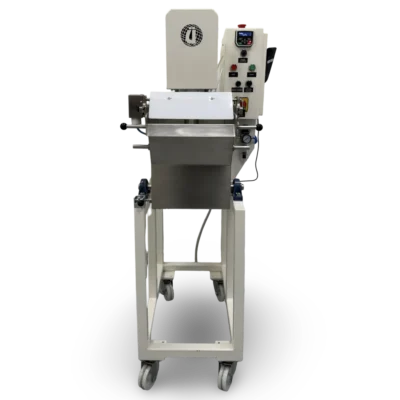
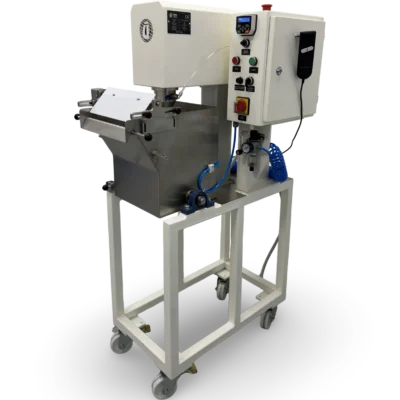
Unal laboratory flotation machine 30L front right view with control panel and flotation cell
Flotation Mineral Processing

Flotation Machine – 30 L

DESCRIPTION

The Flotation Machine 30L is a high-capacity and user-friendly system developed for laboratory and pilot-scale flotation tests. Designed according to the conventional flotation machine principle, this machine offers the possibility to work with larger sample quantities thanks to its 30-liter cell volume and allows more comprehensive flotation testing.

The machine is equipped with a digital speed control system for precise and controlled operation. The impeller speed can be monitored and adjusted easily via the digital display. The air flow supplied to the cell is controlled by an integrated flowmeter. This allows more stable flotation conditions to be achieved for different sample types and test requirements.

Thanks to its electro-mechanical lifting system, the column can be moved up and down by means of a hand controller. The integrated tilting mechanism makes the discharge process faster, more controlled, and more practical. This design improves ease of use while also simplifying cleaning and sample discharge operations.

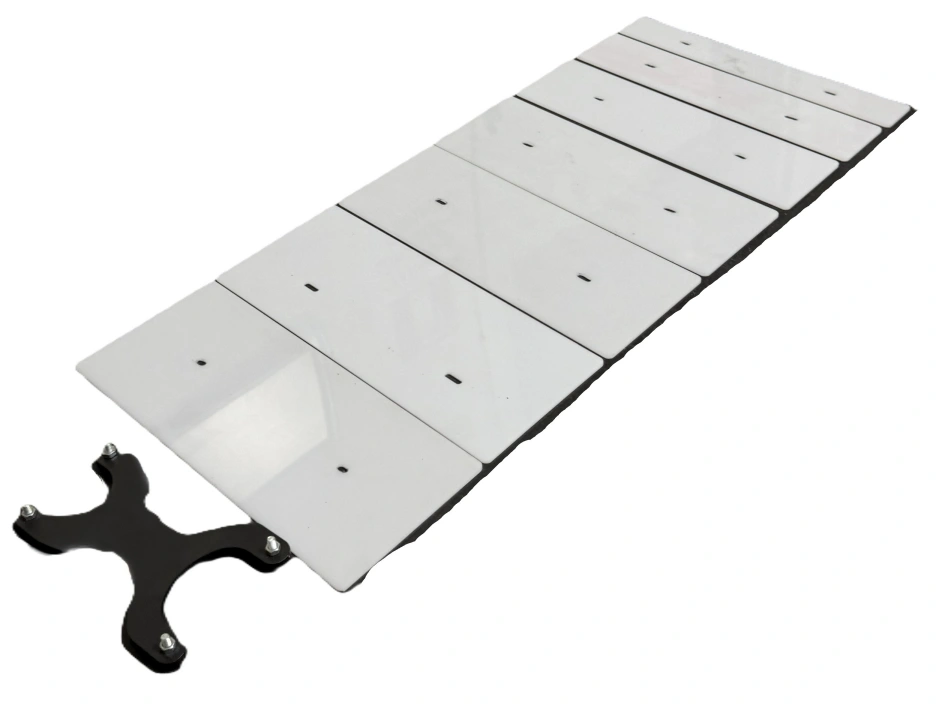
If required, the machine can also be supplied with an optional froth scraper system. This option provides additional convenience, especially in applications where regular and controlled froth removal is needed.

TECHNICAL DATA

Standards CE
Power and Electricity 1.5 kW, 400V, 3p, 50Hz
Compatible with various voltages.

Application Areas

The laboratory flotation machine is primarily used to enrich ores containing valuable minerals and metals. This method separates minerals based on their hydrophobic (water-repellent) and hydrophilic (water-attractive) properties and is commonly applied in the enrichment of the following materials:

  • Sulfide Minerals: Sulfide minerals containing copper, lead, zinc, and molybdenum are enriched by flotation. Examples include:
    • Copper Sulfide (Chalcopyrite)
    • Lead Sulfide (Galena)
    • Zinc Sulfide (Sphalerite)
  • Gold and Silver: Gold and silver ores, particularly when combined with sulfide minerals, can be enriched by flotation.
  • Industrial Minerals:
    • Fluorite (CaF₂): Used in the chemical and ceramics industries, fluorite is purified through flotation.
    • Phosphates: Phosphate minerals, used as fertilizers in agriculture, are enriched by flotation.
    • Calcite and Dolomite: These minerals, used in the paper, paint, and construction industries, are processed by flotation.
  • Coal: Flotation is used to reduce ash content and enhance energy value, particularly effective for fine coal particles.
  • Iron-Containing Minerals: Iron minerals such as magnetite and hematite can be separated by flotation, especially in industrial iron production requiring high purity.
  • Rare Earth Elements: Rare earth elements, essential for the electronics, energy, and defense industries, can be efficiently enriched by flotation.

Working Principle

The laboratory flotation machine operates on the principle of separating fine-grained materials by flotation in a water environment. In this process, mineral particles interact with water, air bubbles, and chemical reagents, allowing specific minerals to be floated to the surface. Here are the key steps in the machine’s operation:

  1. Sample Preparation and Feeding: A mineral sample mixed with water is added to the flotation cell. The impeller and stator system inside the cell uniformly mix the slurry and generate air bubbles.
  2. Addition of Reagents: Chemical reagents (collectors, frothers, etc.) are added to the mixture to float specific minerals to the surface. These reagents create a bond between mineral particles and air bubbles, enabling flotation.
  3. Mixing and Air Injection: The impeller continuously agitates the slurry, while air is supplied to the cell at an adjustable flow rate. As air bubbles rise, they attach to specific minerals, lifting them to the surface. Unwanted minerals settle at the bottom of the cell.
  4. Collection of Froth Layer: Mineral-loaded bubbles form a froth layer at the top of the cell. This froth layer is manually or automatically collected as a concentrated sample.
  5. Waste Separation: Remaining waste settles at the bottom of the flotation cell and is discharged after the process. This waste can either undergo further processing or be discarded in the sample preparation stage.
  6. Tilting Mechanism for Discharging: To facilitate efficient sample handling, the flotation machine is equipped with a tilting mechanism. This feature allows for easy discharging of  materials, enhancing operational convenience and safety.